
2026-03-02
Published
Redhat Safety Articles
Articles · Gulf Jobs
Health and Safety professionals are not limited to one sector or geography. In fact, one of the strongest advantages of building a career in HSE (Health, Safety, and Environment) is that demand exists across industries and across countries. At Redhat Safety Training & Consulting, we consistently see learners succeed faster when they understand where demand actually comes from instead of chasing random job titles. Th
· 12 min read · 14 sections · Redhat Safety Training Team
Redhat Safety Articles
14 sections on this page
Related articles below
70,786 professionals trained
Safety hiring is driven by three major factors:
As industries scale, risk exposure increases, and so does the demand for trained safety professionals.
Professionals who complete structured programmes such as the Safety Officer Course, Fire Safety Course, PSM (Process Safety Management), OHSM (Occupational Health and Safety Management), ISO Lead Auditor Course, ESC IDHSE Course, ESC General Certificate, and Scaffolding Course are better positioned to enter these industries with clarity and confidence.
Industries hire HSE professionals because:
Governments mandate safety officers on large and public infrastructure projects. As infrastructure development increases, so does the demand for qualified safety professionals.
India: Massive infrastructure growth including roads, metros, airports, ports, and housing projects.
Abroad: Mega projects in Gulf countries and EPC contracts with strict compliance standards.
Professionals trained through a Safety Officer Course or Scaffolding Course often find strong opportunities in construction and infrastructure sectors.
Construction remains one of the largest employers of safety professionals globally.
Safety ensures plant continuity, operational stability, and insurance compliance.
India: Rapid industrial expansion with increasing enforcement of safety laws.
Abroad: Advanced safety systems, structured audits, and strong compliance frameworks.
Programmes like OHSM and the ISO Lead Auditor Course help professionals enter manufacturing environments where compliance systems and audits are critical.
Manufacturing offers stable, long-term safety careers.
Even minor safety failures can result in catastrophic losses.
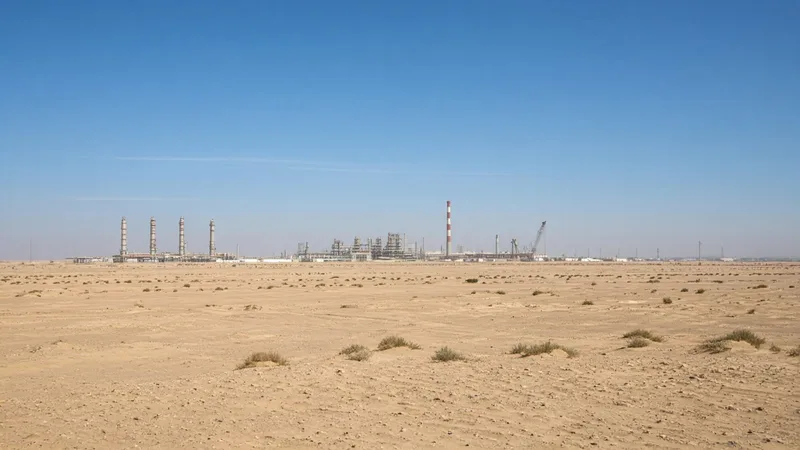
India: Refineries, gas plants, offshore projects.
Abroad: Gulf countries, offshore platforms, EPC mega-projects.
This sector often offers higher salary packages but expects stronger qualifications and technical understanding. Programmes such as PSM (Process Safety Management) and advanced safety certifications are especially valuable in this industry.
EPC projects are a major employer of internationally qualified safety professionals. The ISO Lead Auditor Course and structured HSE management programmes improve employability in EPC environments.
With global investment in renewables, this sector offers future-oriented safety careers. Training in fire prevention and electrical risk awareness through a Fire Safety Course strengthens job prospects in this field.
Injuries and shutdowns directly affect delivery timelines and revenue.
This sector provides consistent demand, especially near industrial hubs. Safety professionals with compliance-focused qualifications such as OHSM can build long-term careers here.
Programmes like the ESC General Certificate and ISO Lead Auditor Course are valuable for professionals entering highly regulated sectors like pharmaceuticals and healthcare.
Healthcare and pharma environments involve:
This sector often requires strong site discipline, field experience, and technical understanding. A structured Safety Officer Course builds foundational competency for entering heavy industries.
Professionals who complete a Fire Safety Course and compliance-oriented certifications often transition into corporate safety roles that offer more stable working environments.
Large offices, malls, IT parks, and campuses require:
Safety professionals are globally portable because risk management principles are universal.
| Industry | India Demand | International Demand |
|---|---|---|
| Construction | Very High | Very High |
| Manufacturing | High | High |
| Oil & Gas | Medium–High | Very High |
| EPC Projects | High | Very High |
| Renewable Energy | Growing | High |
| Logistics | Growing | Growing |
| Healthcare / Pharma | Medium | High |
Choosing the right industry helps align:
At Redhat Safety Training & Consulting, course recommendations are not trend-based. They are suitability-based.
Programmes such as the Safety Officer Course, Fire Safety Course, PSM (Process Safety Management), OHSM (Occupational Health and Safety Management), ISO Lead Auditor Course, ESC IDHSE Course, ESC General Certificate, and Scaffolding Course are recommended based on suitability, not trends.
This prevents trial-and-error learning and helps learners enter industries with clarity and direction.
When the right qualification aligns with the right industry, growth becomes faster and more stable.
If you understand where demand comes from, choose your training strategically, and build industry-specific expertise, Health & Safety can become a globally portable and resilient career path.
Different industries expect different safety skills.
A guided choice saves years of trial and error.
👉 Request Free Safety Career Guidance from Redhat Safety
Health & Safety is one of the few careers where:
Looking for a suitable occupational health and safety qualification? Our course advisors can help you understand available programmes, eligibility requirements, course fees and enrolment options.