
Redhat Safety · Chennai
Safety Inspections and Workplace Compliance
Elements and Benefits of Safety Inspections
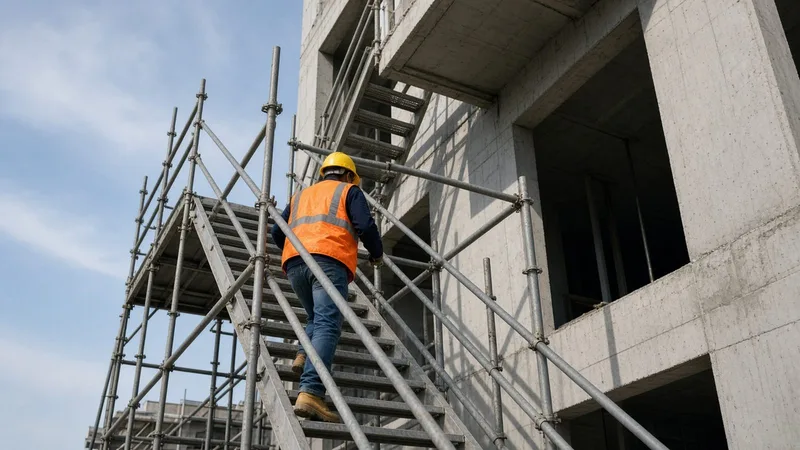
Safety inspections are a fundamental component of ensuring workplace safety, identifying hazards, and preventing incidents that could harm employees, visitors, and the environment. Conducting regular safety inspections allows organisations to assess safety risks, evaluate compliance with regulations and standards, and implement corrective measures to mitigate hazards and maintain a safe work environment. A comprehensive safety inspection process involves examining physical conditions, equipment, work practices, and safety procedures to identify potential dangers, address deficiencies, and promote a culture of safety excellence within the organisation. By prioritising safety inspections and addressing safety concerns proactively, organisations can enhance safety performance, reduce the risk of accidents, and protect the well-being of their workforce. Explore the importance of safety inspections, the key elements of a comprehensive inspection process, and the benefits of regular inspections for maintaining a safe work environment and achieving compliance with safety regulations with Redhat Safety.
Key Elements of Safety Inspections:
Join Redhat Safety today and unlock your potential!

Hazard Identification: Identify potential safety hazards, risks, and unsafe conditions in the workplace, including slips, trips, falls, chemical exposures, electrical hazards, and ergonomic risks.
Benefits of Safety Inspections:
By integrating safety inspections into their safety management systems, organisations can proactively identify and address safety risks, enhance compliance with regulations, and create a safer work environment for employees and stakeholders.
Risk Prevention: Safety inspections help identify potential hazards, assess risks, and implement control measures to prevent accidents, injuries, and occupational illnesses in the workplace.