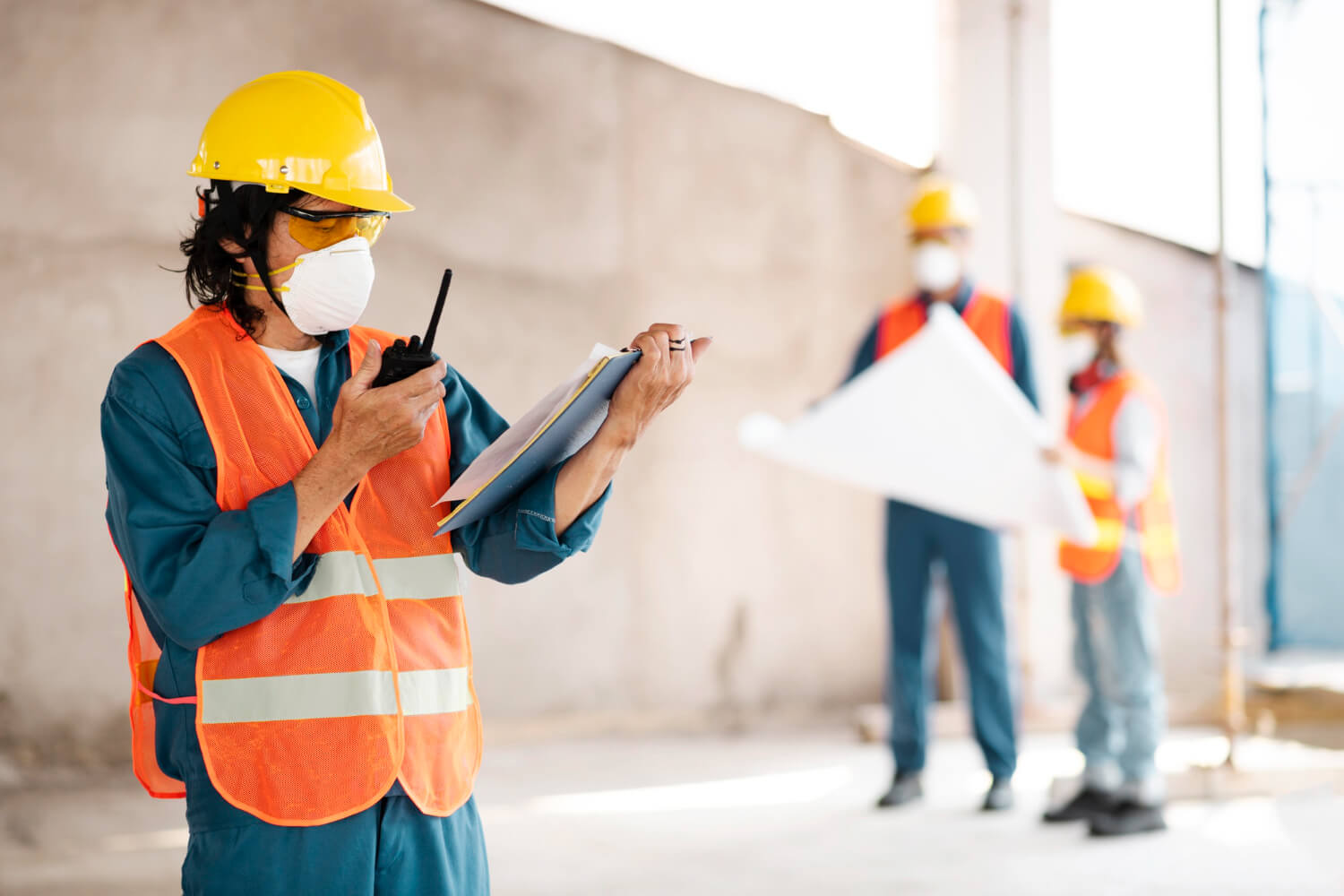
Health and Safety professionals are no longer considered “support staff.”
In 2026 and beyond, they are business-critical risk managers.
Across industries, organisations are realising one hard truth:
Workplace risk is expensive — and unmanaged risk can shut down entire operations.
At Redhat Safety Training & Consulting, we see consistent hiring demand across sectors because safety is no longer optional, negotiable, or reactive. It is mandated, audited, and enforced.
This guide explains why Health & Safety professionals are in high demand across industries, what is driving this demand, and why this trend is long-term — not temporary.
The Core Reason: Safety Is Now a Legal and Financial Requirement
Health & Safety demand is driven by law, liability, and cost control — not trends.
Today, organisations face:
- Strict labour and safety regulations
- Mandatory compliance documentation
- Regular inspections and audits
- Severe penalties for violations
In most industries, operating without qualified safety professionals is illegal or contractually prohibited.
This makes Health & Safety roles:
- Mandatory
- Non-negotiable
- Recession-resistant
Companies increasingly require trained professionals who understand compliance systems, documentation standards, and structured risk control. Foundational programs such as a Safety Officer Course or a Government Approved BSS Diploma Course in Safety are often the entry point into these legally mandated roles.
Workplace Accidents Have Become Extremely Expensive
In the past, accidents were treated as unfortunate events.
Today, accidents result in:
- Heavy legal penalties
- Project shutdowns
- Insurance claim rejections
- Contract cancellations
- Criminal liability in severe cases
- Brand and reputation damage
The financial impact of one serious incident can exceed the cost of employing an entire safety team for years.
As a result, organisations hire safety professionals proactively, not reactively.
Specialised training in areas such as a Fire Safety Course and Process Safety Management (PSM) has become increasingly valuable in high-risk sectors where a single failure can cause catastrophic consequences.
Governments Are Tightening Safety Regulations Worldwide
One of the strongest drivers of demand is regulatory enforcement.
Governments across the world are:
- Increasing inspection frequency
- Raising penalty amounts
- Holding senior management accountable
- Mandating documented safety systems
This is happening in:
- India
- Gulf countries
- Europe
- Manufacturing and EPC hubs worldwide
Safety professionals are needed to:
- Interpret regulations
- Implement compliance systems
- Maintain audit-ready documentation
Programs such as the Government Approved BSS Diploma Course, ESC ISHDE General Certificate, and structured safety diplomas help professionals understand regulatory frameworks and documentation standards expected by auditors.
Without trained personnel, companies risk shutdowns, fines, and long-term operational disruption.
Infrastructure and Industrial Growth Is Increasing Risk Exposure
Industries are expanding — and growth increases risk.
Major risk-heavy expansions include:
- Infrastructure and construction projects
- Manufacturing and industrial plants
- Energy and renewable projects
- Logistics and supply chains
- EPC and mega projects
As project size increases:
- Workforce size increases
- Contractor count increases
- Hazard complexity increases
More risk = greater demand for safety professionals.
In construction environments, qualifications such as a Safety Officer Course, Scaffolding Course, or Government Approved BSS Diploma provide the foundational competence required for site-level compliance.
Safety Is Now Integrated Into Business Continuity
Health & Safety is no longer limited to site-level supervision.
Today, safety impacts:
- Project timelines
- Insurance eligibility
- Client trust
- Contract renewals
- Business continuity
Safety professionals help organisations:
- Prevent costly downtime
- Maintain uninterrupted operations
- Meet contractual safety KPIs
This is why safety roles are now embedded at:
- Project planning stages
- Management levels
- Corporate governance levels
Advanced training such as the ISO Lead Auditor Course and structured Occupational Health & Safety Management (OHSM) programs prepare professionals for system-based and corporate-level responsibilities.
Insurance and Contract Requirements Are Driving Hiring
Many companies are required to hire safety professionals because:
- Insurance policies demand documented safety systems
- Clients mandate certified safety officers on projects
- EPC contracts include strict safety clauses
Without qualified safety staff:
- Insurance claims are rejected
- Contracts are voided
- Projects are stopped
Safety professionals act as risk buffers between organisations and financial loss.
Government-recognised qualifications like the BSS Diploma Course in Safety strengthen employability, especially in regulated sectors where documented certification is mandatory.
Why Demand Exists Across Multiple Industries (Not Just Construction)
A common myth is that safety jobs exist only in construction.
In reality, risk exists everywhere people work.
Industries with High Safety Hiring Demand
- Construction & Infrastructure
- Manufacturing & Industrial Plants
- Oil & Gas & Energy
- EPC & Heavy Engineering
- Logistics & Warehousing
- Power & Renewable Energy
- Healthcare & Pharmaceuticals
- Facilities & Corporate Operations
This cross-industry demand makes Health & Safety a career with wide mobility.
Industry-Specific Reasons for High Safety Demand
Construction & Infrastructure
- Work at height
- Heavy equipment
- Temporary works
- Multiple contractors
Safety officers are legally required on most projects. A Safety Officer Course or Government Approved BSS Diploma Course is commonly expected at the entry level.
Manufacturing & Industrial Plants
- Machinery hazards
- Electrical and chemical exposure
- Regulatory inspections
Here, Process Safety Management (PSM) and structured safety diplomas ensure plant continuity and regulatory compliance.
Oil & Gas & Energy
- High-risk processes
- Fire and explosion hazards
- Environmental impact
In such environments, Fire Safety and advanced safety management qualifications are essential.
Logistics & Warehousing
- Material handling risks
- Vehicle movement
- Worker injury liability
Safety reduces downtime and compensation costs.
Power & Renewable Energy
- Electrical hazards
- Remote project locations
- Work at height
As renewable investments expand, safety hiring is increasing alongside project growth.
Why Safety Demand Is Long-Term (Not a Hiring Trend)
Some careers rise and fall with market cycles. Safety does not.
Health & Safety demand is long-term because:
- Regulations only increase, never reduce
- Risk exposure grows with development
- Workforce protection remains mandatory
- Compliance expectations continue to rise
Even during:
- Economic slowdowns
- Project delays
- Industry downturns
Safety roles are usually retained, not cut.
Why Employers Prefer Trained Safety Professionals Over Experience Alone
Another reason demand is high: skills shortage.
Many organisations struggle to find professionals who:
- Understand compliance systems
- Can document risks properly
- Communicate safety effectively
- Apply controls practically
This creates demand for formally trained safety professionals, not just experienced workers.
Recognised qualifications such as:
- Government Approved BSS Diploma Course
- Safety Officer Course
- Fire Safety Course
- PSM
- ESC ISHDE General Certificate
- IIDHSE Course
- ISO Lead Auditor Course
help bridge the gap between operational experience and structured compliance knowledge.
Why Health & Safety Careers Are Recession-Resistant
During downturns:
- Hiring may freeze
- Budgets may shrink
But safety:
- Cannot stop
- Cannot be outsourced cheaply
- Cannot be ignored legally
This makes Health & Safety one of the most recession-resistant professional careers.
How Demand Translates into Career Opportunities
Because demand exists:
- Across industries
- Across countries
- Across experience levels
Health & Safety offers:
- Entry-level opportunities for freshers
- Mid-level growth for professionals
- Senior leadership and consultancy roles
A fresher may begin with a Government Approved BSS Diploma Course or Safety Officer Course.
A professional may upgrade through ESC ISHDE or IIDHSE.
An experienced candidate may pursue ISO Lead Auditor certification for corporate-level positions.
Few careers offer this breadth of opportunity with structured progression.
Final Takeaway: Safety Demand Exists Because Risk Is Universal
Health & Safety professionals are in high demand because:
- Risk exists everywhere
- Laws enforce safety roles
- Accidents are expensive
- Compliance cannot stop
As industries grow and regulations tighten, demand for qualified safety professionals will continue to increase.
With structured training — whether through a Government Approved BSS Diploma Course, specialised programs like Fire Safety or PSM, or advanced qualifications such as ISO Lead Auditor — Health & Safety remains one of the most stable, scalable, and future-proof careers today.
Your Safety Officer Career Starts Here
Want to Enter a High-Demand Health & Safety Career?
The demand is real — but choosing the wrong course can delay your entry.
Get expert guidance based on:
- Your background
- Your experience
- Your industry preference
👉 Request Free Safety Career Guidance from Redhat Safety

Frequently Asked Questions (FAQs)
Is demand for safety professionals really increasing?
Yes. Regulatory enforcement and risk costs are driving long-term demand.
Which industries hire the most safety professionals?
Construction, manufacturing, oil & gas, EPC, logistics, and energy sectors.
Are safety jobs affected during recessions?
Less than most careers. Safety roles are usually retained.
Do companies legally need safety professionals?
In many industries and projects, yes — safety staffing is mandatory.
Is Health & Safety a future-proof career?
Yes. As long as people work, safety roles will be required.