
Redhat Safety · Chennai
Fire Watcher Training for Hot Work Safety Worldwide
Corporate fire watch training: welding and cutting safety and hot work fire prevention.
Hot work can introduce ignition sources into environments where combustible materials, flammable vapours or concealed fire hazards may be present. Redhat Safety helps organisations train designated fire watchers to understand their responsibilities before, during and after welding, cutting, grinding and other hot work activities.
Our corporate Fire Watcher Training focuses on hazard recognition, communication, permit-to-work coordination, emergency escalation and safe fire watch practices. Training can be tailored to your site risks, work activities and emergency procedures. Redhat Safety welcomes corporate enquiries worldwide, with delivery arrangements agreed for each location.
What Is a Fire Watcher?
A fire watcher is a person assigned under a workplace hot work control system to monitor designated work areas for ignition and fire hazards, maintain communication with the work team and take the actions specified in the site procedure if unsafe conditions or signs of fire occur. Fire watch responsibilities, positioning, equipment and the required monitoring period must follow the employer’s permit, risk assessment and applicable rules.
Why Fire Watcher Training Matters
- Strengthen awareness of sparks, slag, heat transfer and hidden ignition risks.
- Support safe implementation of hot work permits and site fire prevention measures.
- Clarify the fire watcher’s duties and limits of authority.
- Improve communication with welders, supervisors and emergency responders.
- Promote prompt alarm raising, safe withdrawal and incident reporting.
Fire Watcher Training Topics
Hot Work Hazards and Fire Behaviour
Typical ignition sources associated with welding, flame cutting, brazing, soldering and grinding; combustible materials and potential fire spread.
Hot Work Permit and Risk Assessment Awareness
Understanding permit conditions, isolation requirements, work area inspection and coordination with responsible supervisors.
Fire Watch Duties Before Work
Checking designated areas, access routes, emergency arrangements, equipment availability and the removal or protection of combustibles as specified by site procedures.
Fire Watch Duties During Work
Maintaining vigilance, monitoring for sparks and smouldering materials, preserving communication and recognising when to stop or escalate work.
Post-Work Fire Monitoring
Understanding the need for continued monitoring after hot work and following the duration and method specified by the site permit and applicable rules.
Fire Extinguisher Awareness
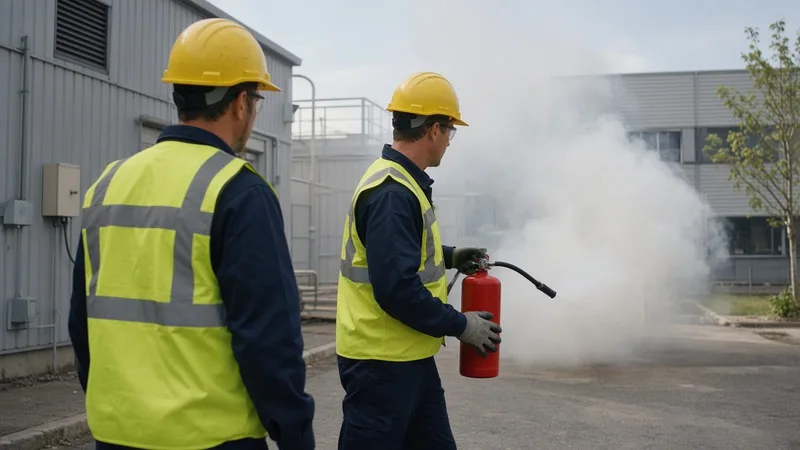
Recognising extinguisher types, basic limitations and when initial intervention is unsafe. Practical use is offered only where expressly arranged with suitable controls.
Emergency Response and Communication
Raising alarms, contacting emergency teams, reporting hazards, protecting escape routes and prioritising personal safety.
Scenario-Based Exercises
Reviewing realistic hot work situations, communication failures, combustible storage issues and near-miss learning.
Who Should Attend?
- Employees designated as fire watchers or fire watch attendants
- Welders, fabricators and cutting or grinding teams
- Maintenance and shutdown personnel
- Hot work permit coordinators and supervisors
- Contractors and construction personnel
- HSE officers, safety supervisors and facilities teams
Industries and Applications
Fire watcher training can support construction, shipyards, oil and gas, petrochemical plants, manufacturing, power generation, maintenance workshops, warehousing and other workplaces where hot work creates ignition risks.
Training Formats and Learning Outcomes
Training options may include instructor-led sessions, online awareness modules, workplace-specific discussions and supervised demonstrations where available. Course duration, practical activities, assessment and completion documentation are confirmed in the proposal.
- Identify typical hot work fire hazards and controls.
- Explain the purpose of a hot work permit and assigned fire watch responsibilities.
- Recognise fire watch duties before, during and after work.
- Describe alarm raising, escalation and emergency communication.
- Understand when work must be stopped and specialist assistance requested.
- Apply site-specific requirements rather than relying on generic assumptions.
This page is about fire watch duties during hot work. For general employee awareness see fire safety training; for initial-response familiarisation see fire fighting training; for designated responders see emergency response team training. See all Redhat Safety services.
How to Arrange Corporate Fire Watcher Training
- Share your industry, site location and number of participants.
- Explain the hot work activities, existing permit system and training objectives.
- Discuss relevant modules, delivery options and any practical components.
- Receive a tailored proposal, schedule and commercial terms.
- Confirm arrangements and review programme feedback.
Why Redhat Safety?
Established in 2013, Redhat Safety has trained 70,786 safety professionals through occupational health and safety education and professional development. Our Chennai office welcomes enquiries from organisations in India and international markets, with delivery scope confirmed case by case.
Related: permit to work training. See all Redhat Safety services.
Frequently Asked Questions
What is fire watcher training?
It prepares designated personnel to understand hot work fire hazards, fire watch duties, communication and emergency escalation procedures.
Is a fire watcher the same as a firefighter?
No. A fire watcher monitors defined hot work risks and follows site procedures; professional firefighting requires separate specialist training and authority.
Who needs fire watcher training?
Personnel assigned to monitor welding, cutting, grinding or other hot work, and supervisors who coordinate those activities.
Does the training cover hot work permits?
Permit-to-work awareness, fire watch coordination and relevant control measures can be included.
How long must a fire watcher remain after hot work?
The monitoring duration must follow the applicable permit, site risk assessment and local requirements; no universal duration is assumed.
Does training include extinguisher practice?
Supervised demonstrations may be available if agreed and supported by suitable instructors, equipment and controls.
Can training be customised for our facility?
Yes. Topics can reflect your equipment, hot work hazards, workforce roles and existing procedures.
Do you provide online training?
Theory and awareness components may be discussed online; practical competence may require suitable in-person arrangements.
Can you deliver outside India?
Worldwide enquiries are welcome, subject to location, availability and applicable requirements.
Does the course automatically authorise someone as a fire watcher?
No. Employer authorisation, site procedures and any required competence checks remain necessary.