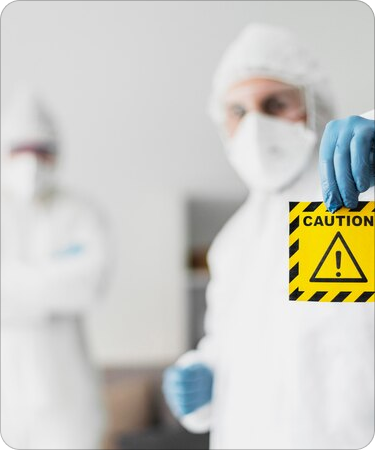
➣Personal Protective Equipment (PPE): Wear appropriate PPE, such as lab coats, safety goggles, gloves, and closed-toe shoes, to protect against chemical splashes, spills, and other hazards.
➣Chemical Handling and Storage: Follow proper procedures for handling, storing, and disposing of chemicals, including labeling containers, using fume hoods, and segregating incompatible substances.
➣Emergency Procedures: Familiarize yourself with emergency procedures, including evacuation routes, emergency contacts, and the location of safety equipment such as fire extinguishers and emergency showers.
➣Equipment Safety: Inspect laboratory equipment before use, follow operating instructions, and report any malfunctions or safety concerns to lab supervisors.
➣Electrical Safety: Avoid overloading electrical outlets, use grounded equipment, and be cautious when working with electrical devices in wet or damp conditions.
➣Fire Safety: Keep flammable materials away from heat sources, maintain clear access to fire exits, and participate in fire drills to prepare for emergencies.
➣Hazard Communication: Understand the hazards of chemicals used in the lab, read and follow safety data sheets (SDS), and communicate risks to others in the laboratory.
➣Housekeeping: Keep work areas clean and organized, dispose of waste properly, and maintain clear pathways to prevent slips, trips, and falls.
➣Training and Education: Participate in lab safety training programs, refresh your knowledge regularly, and seek guidance from experienced professionals when handling unfamiliar procedures or materials.
➣Reporting Incidents: Report any accidents, spills, or injuries immediately to lab supervisors or safety personnel to ensure prompt response and mitigation of risks.