
Redhat Safety · Chennai
Scaffolding Safety Training for Construction and Industrial Workplaces
Corporate scaffolding awareness: scaffold hazards, safe access and work at height.
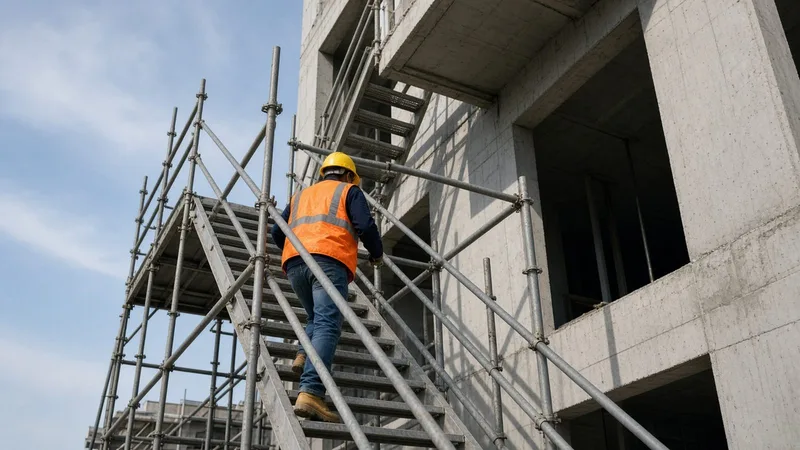
Scaffolds provide temporary access to work areas, but unsafe assembly, improper use, inadequate foundations and uncontrolled alterations can lead to serious incidents. Redhat Safety offers scaffolding safety training designed to help employees, supervisors and contractors understand scaffold hazards, safe-use expectations and their responsibilities at work.
Our corporate training programmes can be adapted to the types of scaffold used at your workplace, the participants’ duties and the organisation’s procedures. Based in Chennai, India, we welcome training enquiries from organisations worldwide; delivery and practical elements are agreed according to the project location and available arrangements.
What Is Scaffolding Safety Training?
Scaffolding safety training introduces the key hazards and precautions associated with accessing, working from and managing temporary scaffold structures. It covers safe use, fall prevention, basic scaffold components, access arrangements, visual warning signs and escalation of unsafe conditions. Training for scaffold users is distinct from the specialised competence needed for scaffold erection, dismantling, structural design or formal inspection.
Why Scaffold Safety Matters
- Help workers recognise missing guardrails, unsafe platforms, poor access and unstable conditions.
- Improve understanding of load restrictions, housekeeping and falling-object risks.
- Reinforce the need to use inspected and authorised access systems.
- Clarify when a scaffold must be taken out of service and reported.
- Support supervisors and contractors in communicating safe work requirements.
Training Modules
Scaffold Types and Components
Common supported, mobile and suspended scaffold concepts; standards, ledgers, transoms, platforms, braces, ties, base plates and access features at an awareness level.
Hazard Identification
Falls from height, falling objects, incomplete decking, unstable ground, unauthorised modification, weather exposure and proximity to electrical hazards.
Safe Access and Working Platforms
Approved access routes, ladders or stair towers, platform condition, edge protection, housekeeping and the importance of keeping exits clear.
Scaffold Stability and Load Awareness
Basic understanding of foundations, bracing, ties, load limits and the risks of overloading or removing structural elements.
Fall Prevention and Dropped-Object Controls
Guardrails, toe boards, exclusion zones, tool management and selection of additional protective measures according to site procedures.
Scaffold Inspection and Status Awareness
Recognising scaffold tags or status indicators where used, pre-use visual checks, defect reporting and why formal inspection requires an appropriately competent person.
Weather, Nearby Operations and Change Control
Wind, rain, vehicle interfaces, material handling, electrical proximity and the need for reassessment after changes or incidents.
Emergency Preparedness and Practical Scenarios
Incident reporting, rescue planning awareness, stopping unsafe work and site-specific case discussions.
Who Should Attend?
- Construction and maintenance workers using scaffolds
- Site supervisors and foremen
- Contractor and subcontractor teams
- HSE officers and safety coordinators
- Facilities and shutdown personnel
- Employees responsible for monitoring scaffold use
Industries Served
Relevant sectors include construction and infrastructure, oil and gas, manufacturing, industrial maintenance, shipyards, energy facilities, utilities and facilities management. Content should reflect each site’s scaffold systems and risk assessment.
Training Delivery and Learning Outcomes
Training may be arranged as classroom or live online awareness sessions, company workshops and, where suitable, supervised site demonstrations. Duration, assessment, trainer availability, practical exercises and completion documentation are confirmed in the training proposal.
- Recognise common scaffold components and associated hazards.
- Identify conditions that require work to stop and defects to be reported.
- Explain safe access, platform use and basic load precautions.
- Understand fall prevention and falling-object controls.
- Distinguish scaffold user responsibilities from erection and formal inspection duties.
- Follow site-specific scaffold rules and emergency reporting arrangements.
Related Specialist Training
Organisations needing role-specific training can also enquire about scaffold competent person training and scaffolding inspection training. Course eligibility, scope and any external recognition must be confirmed separately; these programmes are not interchangeable. For related topics see working at height training.
Why Redhat Safety?
Established in 2013, Redhat Safety has trained 70,786 professionals through occupational health and safety education and professional development. We support employers seeking structured, workplace-relevant training and welcome corporate enquiries from India and international markets. See all Redhat Safety services.
How to Arrange Corporate Scaffolding Training
- Share your organisation, country, project type and number of participants.
- Describe the scaffold types used and participant job responsibilities.
- Discuss the training scope, delivery format and any site demonstrations.
- Receive a proposal with schedule, agreed content and commercial terms.
- Confirm arrangements and evaluate participant feedback after delivery.
Frequently Asked Questions
Who needs scaffolding safety training?
Workers who use scaffolds, supervisors, contractors and HSE personnel benefit from training suited to their actual roles.
Is this course suitable for scaffold erectors?
This general safety course provides awareness. Erection and dismantling tasks require role-specific competence and authorisation.
Does completion make someone a competent person?
No. Competent-person designation depends on relevant knowledge, experience, assessment and applicable employer and legal requirements.
Is scaffold inspection included?
Inspection awareness can be included. Formal inspection competence is a separate role-specific requirement.
Can the training cover our site scaffold systems?
Yes, programme topics can be discussed around your equipment, hazards and workplace procedures.
Is practical training available?
Practical demonstrations may be arranged when suitable trainers, equipment and site controls are available and included in the proposal.
Do you offer online scaffolding training?
Theory and hazard-awareness sessions may be available online; practical competence cannot be established through awareness sessions alone.
Do you provide training internationally?
Worldwide enquiries are welcome. Delivery depends on country, resources, local requirements and agreed scope.
Will participants receive certificates?
The form of completion documentation and any assessment requirements will be stated in the proposal.
How can we obtain a quotation?
Submit company name, country, number of learners, scaffold types, preferred dates and training location through the enquiry form.