
Redhat Safety · Chennai
Working at Height and Fall Protection Training for Workplaces Worldwide
Corporate safety training: fall prevention, harness and equipment awareness and rescue planning.
Working at height exposes employees to serious fall risks, whether they use ladders, scaffolds, platforms, roofs or other elevated work areas. Redhat Safety provides workplace-focused training to help organisations improve hazard recognition, fall prevention and safe working practices.
Our programmes can be tailored to your activities, workforce responsibilities, equipment and existing procedures. We welcome corporate enquiries worldwide. Practical delivery, demonstrations and assessments are subject to site conditions, available resources and an agreed training scope.
What Is Working at Height Training?
Working at height training introduces the hazards, planning principles, control measures and emergency arrangements relevant to work where a person could fall and be injured. It supports workers and supervisors in understanding safe systems of work, appropriate equipment selection and the limits of personal fall protection.
Why Working at Height Safety Matters
- Recognise falls from edges, openings, ladders, platforms and fragile surfaces.
- Apply the hierarchy of controls, prioritising avoidance and collective protection where reasonably practicable.
- Understand inspection, fit and limitations of fall protection equipment.
- Improve communication, supervision and control of access to elevated work areas.
- Plan for prompt rescue and emergency response rather than relying solely on external emergency services.
Training Modules
Work at Height Hazards and Responsibilities
Worksite hazards, worker and supervisor duties, planning, permit requirements where applicable, and stop-work decisions.
Risk Assessment and Hierarchy of Controls
Avoiding work at height where possible, selecting safer access methods, guardrails, barriers, work platforms and personal systems.
Ladder and Access Equipment Safety
Suitability, pre-use checks, positioning, securing, three points of contact and limitations of ladder use.
Scaffolds, Roofs and Elevated Platforms
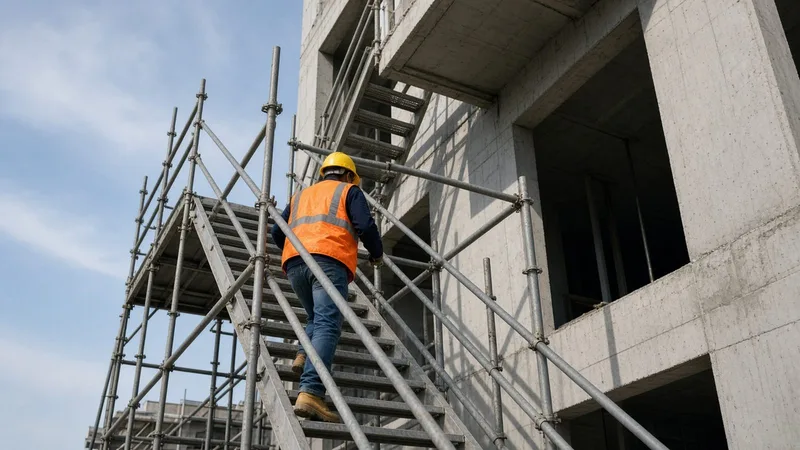
Awareness of platform stability, safe access, fragile surfaces, edge protection, exclusion zones and falling-object hazards.
Personal Fall Protection Systems
Travel restraint, work positioning and fall arrest concepts; harness components, connectors, lanyards, energy absorbers and compatibility.
Anchorage, Clearance and Swing-Fall Awareness
The importance of suitable anchorages, fall clearance, pendulum hazards and competent design/selection of systems.
Equipment Inspection and Care
Pre-use checks, identifying damaged or unsuitable equipment, storage, reporting defects and withdrawal from service.
Emergency and Rescue Planning
Rescue roles, communication, suspension risks, rescue equipment considerations and coordination with competent rescue personnel.
Practical Demonstrations and Assessment
Where agreed, supervised equipment familiarisation and practical exercises using suitable equipment and controls; assessments are role-specific.
Who Should Attend?
- Construction and maintenance workers
- Roofing, façade and installation teams
- Scaffold users and work-platform personnel
- Warehouse and facilities maintenance teams
- Supervisors, contractors and permit issuers
- HSE officers, engineers and site managers
Industries and Applications
Training requirements can be discussed for construction and infrastructure, manufacturing, energy, telecommunications, warehousing, facilities management, utilities and other workplaces involving elevated work. Programme content is tailored to actual tasks and risks.
Training Delivery and Learning Outcomes
Available arrangements may include classroom instruction, live online theory, employer-specific workshops and supervised practical sessions where appropriate. Online awareness alone does not demonstrate hands-on competence. Programme duration, participant numbers, assessment, practical equipment and completion documentation are confirmed in the proposal.
- Identify typical work-at-height hazards and select suitable preventive controls.
- Explain safe access and ladder-use principles.
- Recognise basic fall protection system components and limitations.
- Describe the importance of equipment checks and competent anchorage selection.
- Explain emergency communication and rescue planning requirements.
- Know when additional task-specific training, supervision or authorisation is needed.
How to Arrange Corporate Training
- Tell us your company, location, number of participants and work-at-height tasks.
- Share the equipment used and any current procedures or training needs.
- Discuss online theory, classroom or suitable supervised practical delivery.
- Receive a tailored proposal covering scope, schedule and commercial terms.
- Confirm arrangements and review learning outcomes and feedback.
Why Redhat Safety?
Established in 2013, Redhat Safety has trained 70,786 professionals through safety education and professional development activities. Our Chennai office welcomes corporate training enquiries from India and international markets, with delivery arrangements confirmed according to each project.
Related: working at height rescue training, scaffolding safety training, scaffolding inspection training, lifting and rigging safety training, risk assessment and HIRA training and emergency response team training. See all Redhat Safety services.
Frequently Asked Questions
What is working at height training?
It covers hazards, fall prevention, safe access, equipment awareness and emergency planning for work where a fall could cause injury.
Does the course include harness training?
Harness and fall protection equipment awareness can be included. Supervised fitting, inspection and practical use depend on the agreed scope.
Is practical training available?
Practical exercises may be arranged where suitable instructors, equipment, facilities and safety controls are available.
Can we complete working at height training online?
Theory and awareness can be delivered online. Practical competence requires appropriate hands-on training and assessment.
Who needs this training?
Workers, supervisors and contractors who plan, manage or undertake tasks involving fall hazards.
Does completion authorise employees to work at height?
No. Employers must confirm role-specific competence, supervision, equipment and any required authorisation.
Does the training include rescue planning?
Emergency and rescue planning awareness can be covered. Specialist rescue competency requires separate practical arrangements and assessment.
Can the programme be customised?
Yes. Content can be discussed around site activities, access equipment, hazards and existing safety procedures.
Do you offer training outside India?
Worldwide enquiries are welcome; delivery depends on location, scope, resources and local requirements.
How can our company obtain a quotation?
Submit your company details, country, participant count, tasks, preferred dates and delivery needs using the enquiry form.